
A University of Cambridge team reports in Nature Cardiovascular Research that a transient modified mRNA briefly and locally co-expressing Myc and Cyclin T1 can push adult heart muscle cells to divide and help repair injury after a heart attack in mice. Adult human heart cells almost never divide, which is why damage from a heart attack is usually permanent, leaving scar tissue and a weaker heart. In the mouse study, the treatment increased the amount of blood pumped with each heartbeat by around 10 percent compared with mice that received a mock treatment.
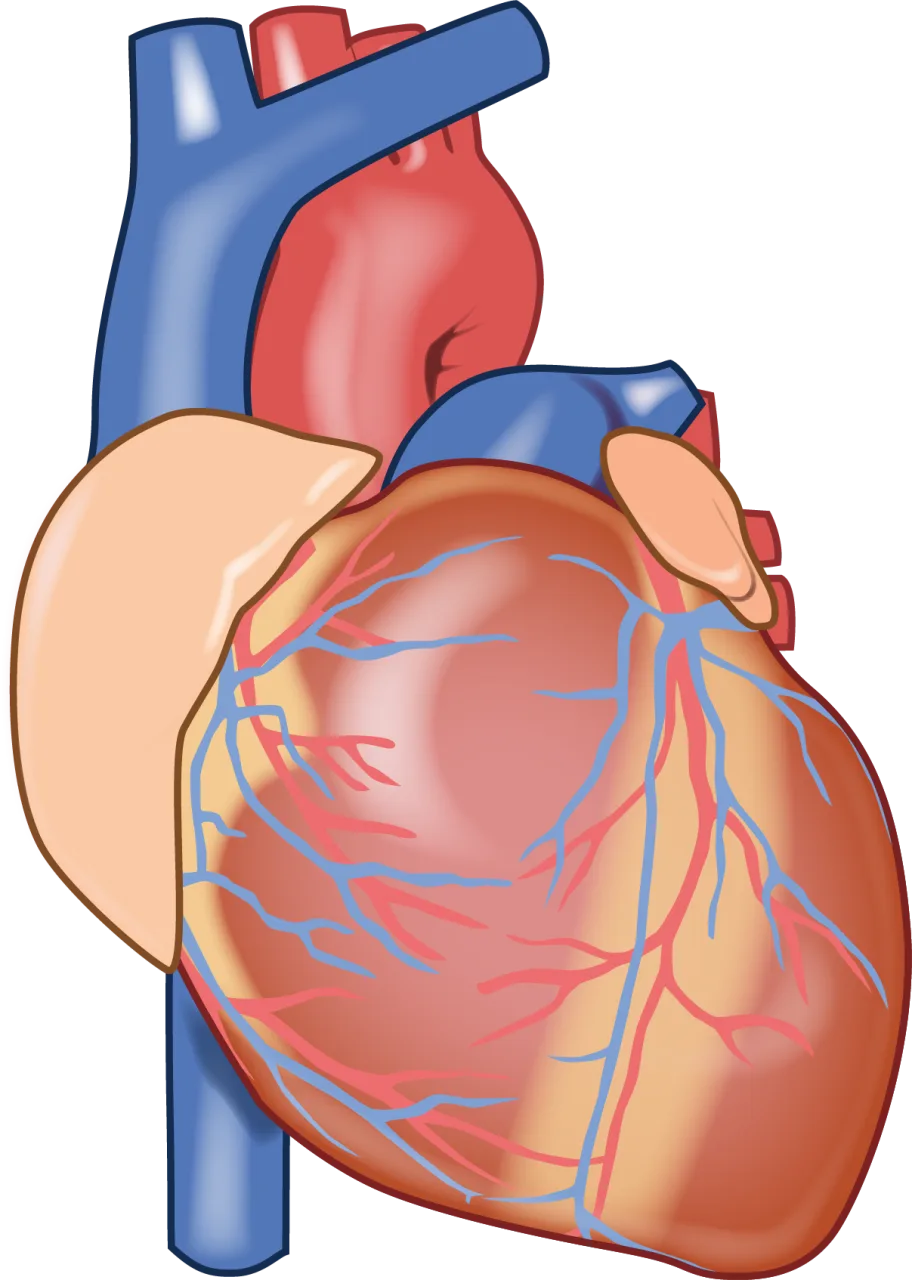
A short-lived signal, tested on the injured heart
The researchers used messenger RNA to switch on the two proteins for a short period, encouraging the cells to multiply long enough to aid repair, then fading again. The mRNA therapy was injected into the hearts of the mice after a heart attack, and function was assessed with an echocardiogram. Because the signal is short-lived and localised, it is not expected to cause a permanent genetic change in the heart cells, a design meant to reduce the risk of overgrowth. No adverse effects were seen in the treated mice. When the animals were reassessed after 28 days and after 12 weeks, the improvement in heart function was still present.
The paper, by Boikova and colleagues, is a collaboration among the University of Cambridge, QIMR Berghofer Medical Research Institute and AstraZeneca. Dr Catherine Wilson, co-senior author at Cambridge’s Department of Pharmacology and the Gurdon Institute, said the approach is intended to help the heart repair itself rather than only treat symptoms of heart failure. The work has received further funding from the British Heart Foundation.
What the study does not yet show
This is not a full cure, and mice are not humans. After a heart attack, an adult human heart can lose up to one billion muscle cells, and current medicines can slow disease but cannot replace muscle that has already been lost. Professor Bryan Williams, chief scientific and medical officer at the British Heart Foundation, described the results as an early step toward therapies that might help repair damage after a heart attack, while stressing that the research remains in mice. The Cambridge team says further trials in larger animal models, and then in people, are needed to establish safety and effectiveness. Those limits matter as much as the 10 percent improvement: the finding is a direction for the next experiments, not a treatment that is ready for patients.