
Crows have a reputation for intelligence, but one of their most striking abilities is also one of the most personal: they can recognise individual human faces and remember them for years. Research led by John Marzluff at the University of Washington showed that wild American crows not only learned to identify people who had trapped them, they passed that knowledge on to other crows that had never been caught. In the experiments, researchers wore distinctive masks while capturing and banding birds near Seattle. Afterward, crows scolded and mobbed anyone wearing the “dangerous” mask — people of different ages, sizes and walking styles — while largely ignoring a neutral mask or an unmasked person. In the 2010 study, the share of crows scolding the dangerous mask rose from about 26 percent just after trapping to about 66 percent 2.7 years later.
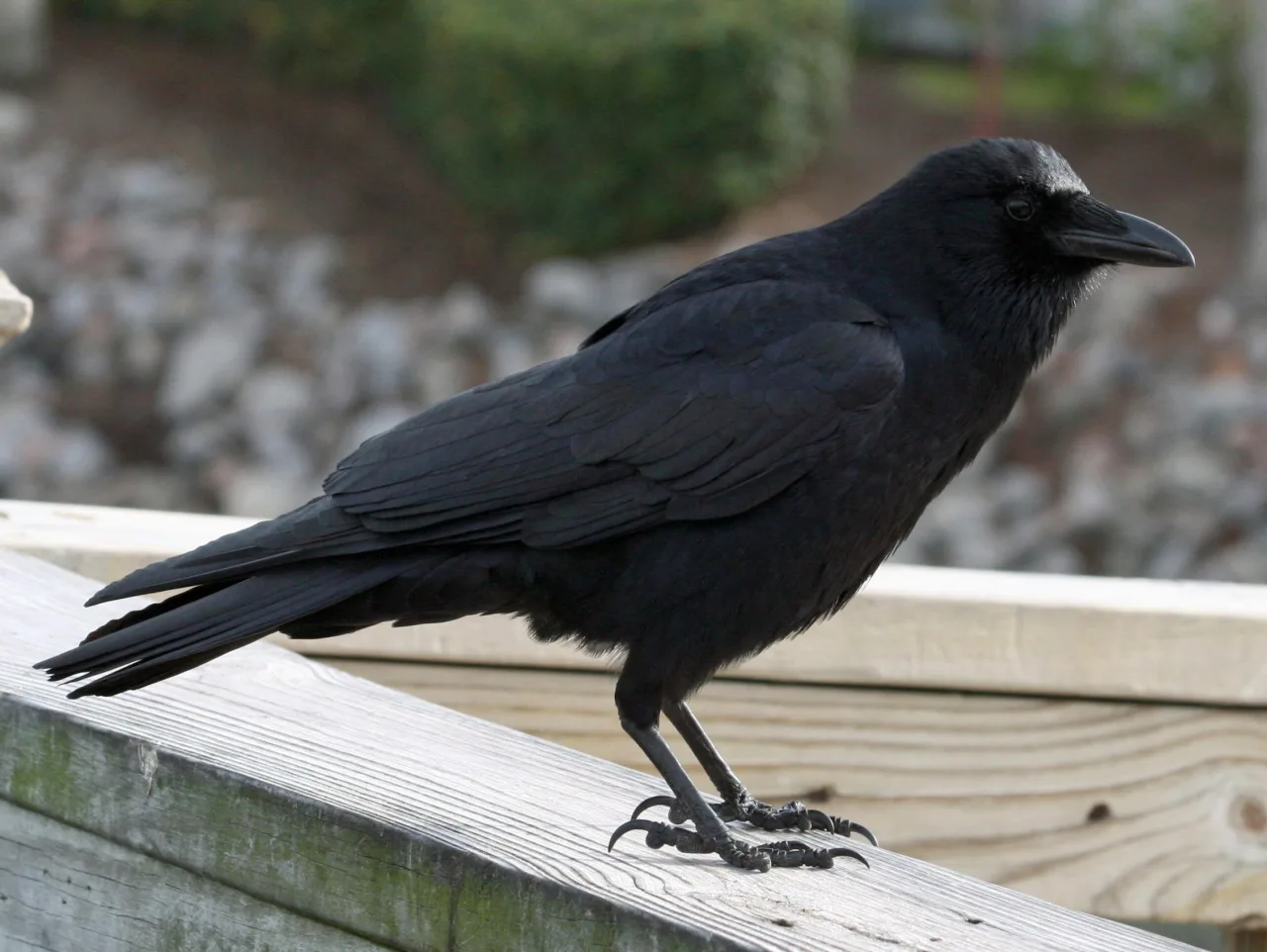
The warning spreads through the flock
That rise matters because it was not limited to the birds that had been handled. A later paper showed that crows use both first-hand experience and social learning. Birds that had been trapped scolded the mask immediately. So, before long, did crows that had only watched the mobbing, and young birds whose parents had already learned the threat. Directly trapped birds were more precise at telling a dangerous mask from a neutral one, but the warning still travelled. At one site, scolding spread at least 1.2 kilometres from the original trapping spot over five years. In a crossed design at five sites, each place had its own trapping mask, and a mask that was dangerous in one neighbourhood was treated as neutral in another: the birds tracked the face tied to the local capture, not a general dislike of masks. They also largely ignored the same researchers when those people walked unmasked. The ability fits a long-lived, social bird that shares cities and campuses with people: telling a threat from a harmless passer-by is a survival skill, and so is listening when neighbours raise the alarm.
How long the memory lasts
The original paper documented recognition for at least 2.7 years, and Marzluff kept walking the Seattle campus in the same distinctive mask in later years. The scolding response persisted for well over a decade before it eventually faded, around the time the last crow captured in that mask had died. That is a practical caution as much as a curiosity. A brief, unpleasant encounter can be remembered by the bird you faced, by birds that only watched, and by a later generation. The reliable evidence is the experimental work on recognition, social learning and how long the scolding lasted — not anecdotes about gifts or grudges in the abstract. If you live among crows, it is worth treating them as neighbours with long memories.