
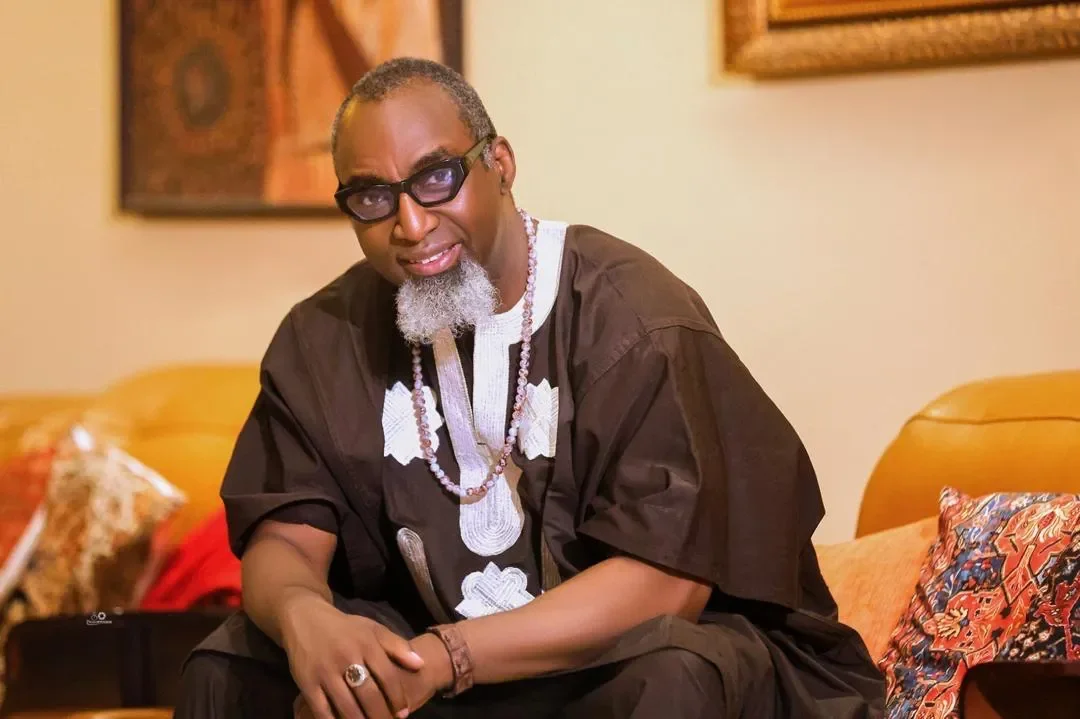
In his essay on Afrilition, writer Adéwálé Àjàdí argues that dance is the strongest living link between Africa and its diaspora, carrying memory, worship and celebration across oceans and generations. Despite centuries of separation, he says, the rhythms and movements people share still express one African spirit in many distinct forms.
A Saturday Class in Lagos Rhythms
Àjàdí starts with his own weekly routine: a Tungba class, an Afrobeat-rooted dance session where he can move as freely as his teenage self. In one class, his teacher Israel calls out steps that blend Igbo, Yoruba, Hausa and Cuban movement to songs by Kizz Daniel, with the Fulani stick dance mixed into Afrobeat and Amapiano moves.
The class prompts memories of older dance crazes. In 1960s Nigeria, Kpalongo, which came from the Ga people of Accra, filled Lagos dance floors. Bonsue likely traces back to the Akan Bosoe. Each dance, he writes, carried its own story of creation, worship and joy.
Drums Across the Atlantic
The essay follows the drum as the backbone of these movements. Rhythms travelled from Congo to Haiti and New Orleans’ Congo Square, into Cuban son and bata steps, picked up the tones of calypso and then flowed back to West Africa as highlife. Congolese rumba deepened into soukous and makossa. The Atlantic carried influences in both directions.
Àjàdí finds the same thread in his own life. Steps from his childhood met James Brown’s funk and became part of the 1980s Cabbage Patch craze during his university years. He hears echoes of the Ijala hunters’ chants in the hip hop cypher.
The Sahel, the Caribbean and Shared Feeling
The journey also crosses the Sahara. The goje, a stringed instrument of the Sahel, and undulating desert dances mirror the movement of sand, while mournful wind instruments seem to hold an early form of the blues.
He recalls an evening in the 1990s outside a family rum shop in Calliaqua, St Vincent and the Grenadines, watching the Caribbean Sea. The music and dancing could have belonged to rural Georgia, coastal Morocco or a shebeen in Gugulethu, not because the styles were identical, but because of the shared feeling behind them.
Movement as Resistance and Faith
Àjàdí points to Brazilian ginga, the swaying base movement in capoeira and later Brazilian football style, which developed among enslaved people who needed to avoid contact that could bring punishment. He sees dance throughout the African world as both expression and spiritual strength.
Churches understand this too, he argues, from the Shakers of St Vincent and Christ Apostolic Church in Nigeria to the AME churches in the United States and the Coptic and Ethiopian Orthodox traditions. Dance there is a deep form of praise.
Afrilition, in his view, is about preparing the next generation to recognise those connections. Àjàdí, a lawyer, creative consultant and leadership specialist, sets out the wider idea in his book Afrilition: 21st Century African Manifesto. Readers who want to feel the argument rather than just read it could start where he does: in a local dance class.