
Leaving the workforce marks a major life transition. After decades of managing early morning commutes, strict deadlines, and structured weekly schedules, step-by-step freedom arrives yet adjusting to an open schedule often takes time.
Finding a comfortable retirement pace requires listening to your own preferences rather than conforming to external expectations. Athena, writing for DS News, emphasizes three core pillars for a smooth transition: giving yourself time to adjust, maintaining a healthy balance between activity and rest, and aligning your living environment with your long-term goals.
Key Pillars for Transitioning to Retirement
| Pillar | Actionable Strategy | Goal |
| Routine Building | Start with small, unhurried morning and afternoon adjustments. | Avoid burnout and adapt to new daily freedom gradually. |
| Schedule Control | Leave open space between social, travel, and club commitments. | Maintain engagement without feeling overwhelmed. |
| Living Space | Evaluate whether home upkeep matches your current lifestyle. | Reduce maintenance stress to free up personal time. |
| Personal Measure | Focus on your own energy and values rather than peer activity levels. | Build a lifestyle based on authentic personal satisfaction. |
Let a New Routine Take Shape Naturally
You do not need a fully mapped-out plan on day one. Work automatically provides daily structure and responsibilities, so feeling temporarily unfocused when that routine stops is a completely normal reaction. Give yourself room to adapt before filling every free hour with new tasks.
Start with small, deliberate changes:
-
Unhurried Mornings: Enjoy your morning coffee or breakfast without checking the time.
-
Outdoor Reflection: Spend regular, unscheduled time outdoors every day.
-
Flexible Afternoons: Let afternoons unfold naturally without adhering to a rigid to-do list.
Pay attention to which days leave you feeling refreshed and which ones leave you craving more activity. Building a routine based on your actual responses creates a sustainable rhythm far better than copying someone else’s schedule.
Leave Space Between Activities
When your calendar opens up, local clubs, volunteer projects, and travel opportunities present exciting possibilities. However, accepting every invitation quickly leads to schedule fatigue.
Create a balanced weekly flow:
-
Alternate Activity Levels: Pair a busy day of social engagements or travel with a quiet day reserved for reading or gardening.
-
Protect Rest Time: Schedule dedicated downtime alongside your appointments.
-
Re-evaluate Commitments: If your calendar starts feeling like a series of obligations, step back and reduce your commitments.
Rest is an essential component of a fulfilling week, not an afterthought.
Evaluate How Your Home Fits Your Lifestyle
Your home directly impacts how much energy daily life demands. While a large family home holds valuable memories, it also requires continuous upkeep, cleaning, and maintenance that may no longer serve your goals.
For many retirees, downsizing or moving to retirement villages in the UK provides a practical alternative. Choosing a low-maintenance home surrounded by accessible community features frees up valuable time and energy for hobbies, travel, and relaxation. Focus on whether your current housing setup supports your daily freedom or hinders it.
Explore Interests Without Performance Targets
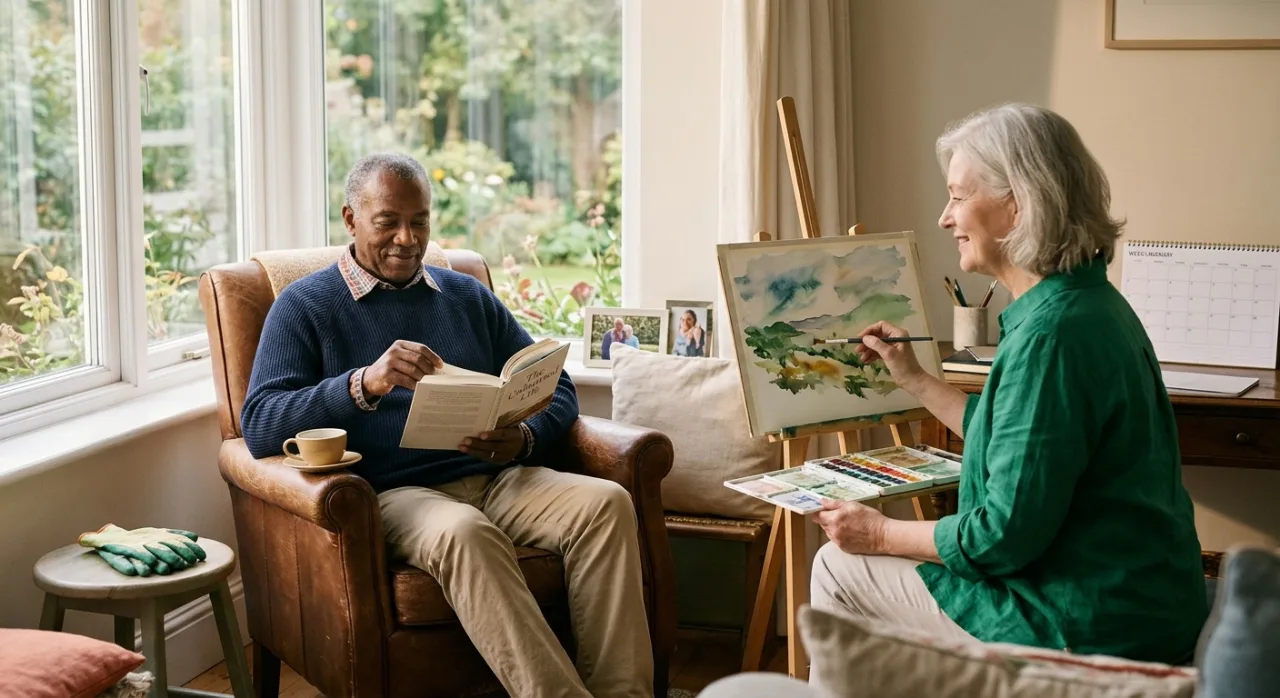
Working life rarely leaves enough room for personal creative pursuits. Retirement offers the perfect environment to pick up a new instrument, learn a language, paint, or play a sport.
-
Focus on Enjoyment: You do not need to master a skill for the pursuit to be valuable.
-
Embrace Social Connections: Treat new activities as opportunities to meet like-minded people.
-
Pivot Freely: If a hobby loses its appeal, switch to something else without guilt. Your time belongs to you to explore freely.
Use Your Own Priorities as the Benchmark
It is easy to compare your schedule to peers who travel constantly or take on intensive projects. While their choices offer inspiration, they do not dictate how active you should be.
Evaluate every new commitment against your personal energy levels, interests, and priorities. Whether your ideal retirement involves peaceful days at home, frequent social gatherings, or a blend of both, grant yourself full permission to set your own pace. A successful retirement is measured solely by your personal satisfaction and room for what matters most to you.