
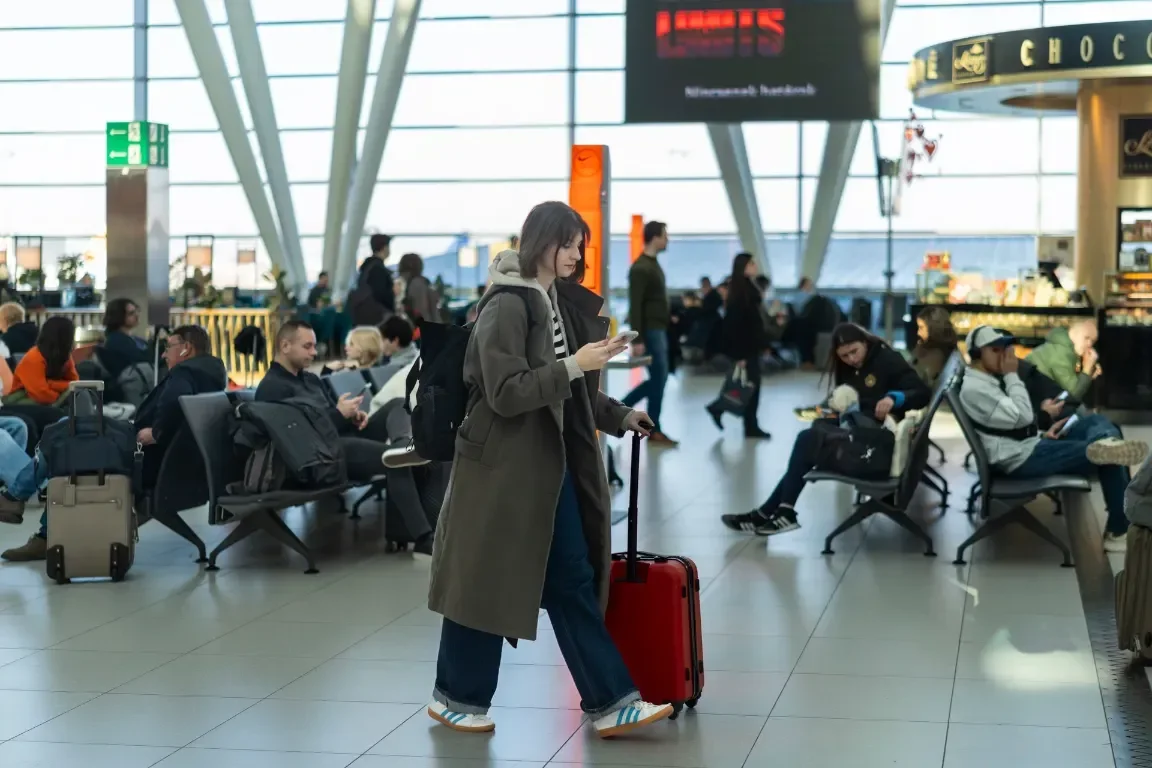
 New European Union flight compensation rules promise faster refunds, simpler claims and stronger passenger protection. But despite the media attention, travellers should know that the newly approved reimbursement and enforcement measures do not apply until 23 October 2027.
The European Parliament approved the legislation strengthening air passenger rights on 20 October 2026, with 652 votes in favour, two against and eight abstentions. According to aviation reporting from AIRportal.hu, the changes will introduce standardised refund and compensation procedures across all member states, define the responsibilities of online booking platforms and improve assistance for passengers with disabilities or reduced mobility. The legislation is part of a wider EU effort to make passenger rights easier to enforce across modes of public transport.
What is changing?
One of the most significant changes for everyday travellers is the introduction of standardised EU-wide forms for ticket reimbursement claims and compensation requests. Instead of working through different procedures set by individual airlines or intermediaries, passengers will be able to use common European forms in all official EU languages. The European Commission plans to make these forms available online, and transport operators will also be allowed to offer equivalent digital alternatives. According to the Commission, the aim is to make passenger rights transparent and improve how they’re enforced. Some administrative requirements may differ by mode of transport.
Flight refunds within 14 days
The reforms also tackle a common problem: getting money back for tickets bought through travel agencies, aggregator sites or online booking platforms. Under the new arrangements, passengers will generally be entitled to a full refund within 14 days when reimbursement goes through an intermediary. The process is split into two stages. In the first seven days, the operating airline transfers the refund to the intermediary. In the following seven days, the intermediary returns the full amount to the consumer.
Normally the refund will cover the original airfare plus any intermediary service fees, though a few statutory exceptions may apply. Online booking platforms will also have to explain the refund arrangements clearly before a purchase is completed. The rules are meant to end the stalemates in which passengers can’t tell whether the airline or the booking platform is responsible for returning their money.
What compensation can passengers claim?
A refund and compensation are different things. A refund lets passengers recover the price of an unused ticket in qualifying circumstances. Compensation is a separate statutory payment that may be due when a flight is significantly delayed, cancelled at short notice, or when a passenger is denied boarding because of overbooking. Under the EU’s established framework, eligible travellers may receive €250 for flights of up to 1,500 kilometres, €400 for longer flights wholly within the EU and certain other flights between 1,500 and 3,500 kilometres, and €600 for all other international flights over 3,500 kilometres.
These amounts are maintained under the revised framework, according to the European Parliament’s documentation. Airlines don’t have to pay compensation for every disruption, though. Extraordinary circumstances such as severe weather or air traffic control restrictions can exempt carriers from liability.
Stronger protection for passengers with disabilities
The legislation adds safeguards for passengers with disabilities or reduced mobility. When an airline requires a passenger to travel with an assisting person for safety reasons, that companion will be entitled to travel free of charge. The goal is to align air travel with arrangements already in place in other European public transport sectors. National enforcement authorities will also get stronger powers to investigate possible violations, including launching compliance checks without waiting for individual complaints. The Council of the European Union has repeatedly highlighted these measures as part of wider efforts to strengthen consumer protection in the EU.
What it means for travellers flying from Hungary
The reforms are directly relevant for travellers using Budapest’s Ferenc Liszt International Airport and other Hungarian airports. EU air passenger rights generally apply to any flight departing from an airport in the EU, regardless of the passenger’s nationality, and they also cover flights arriving in the EU from non-member countries when operated by qualifying European carriers. A British, American or Canadian tourist departing from Budapest can therefore benefit from EU protections without being a European citizen. Passengers who book through third-party travel sites will gain especially from clearer responsibilities and more predictable reimbursement procedures once the framework takes full effect.
When will the rules apply?
Although the broader air passenger rights reform has passed major milestones in the legislative process, the new measures on streamlined enforcement and mandatory refund timelines are not legally applicable on 23 October 2026. The enforcement legislation still needs final formal approval by the Council of the European Union before it is published in the Official Journal of the European Union. The provisions are scheduled to become binding and fully applicable from 23 October 2027, alongside the revised air passenger rights framework.
Until then, travellers affected by cancellations, long delays or denied boarding must continue to rely on the currently active EU passenger rights rules. All existing rights remain enforceable. The newest round of improvements is still waiting for implementation.