
The International Court of Justice in The Hague on 19 November 2026 found Myanmar responsible for genocide against the Rohingya. UN News, reporting the judgment the same day, said it was the first such ruling against a state. The case, The Gambia v. Myanmar, was brought in 2019 under the 1948 Genocide Convention.
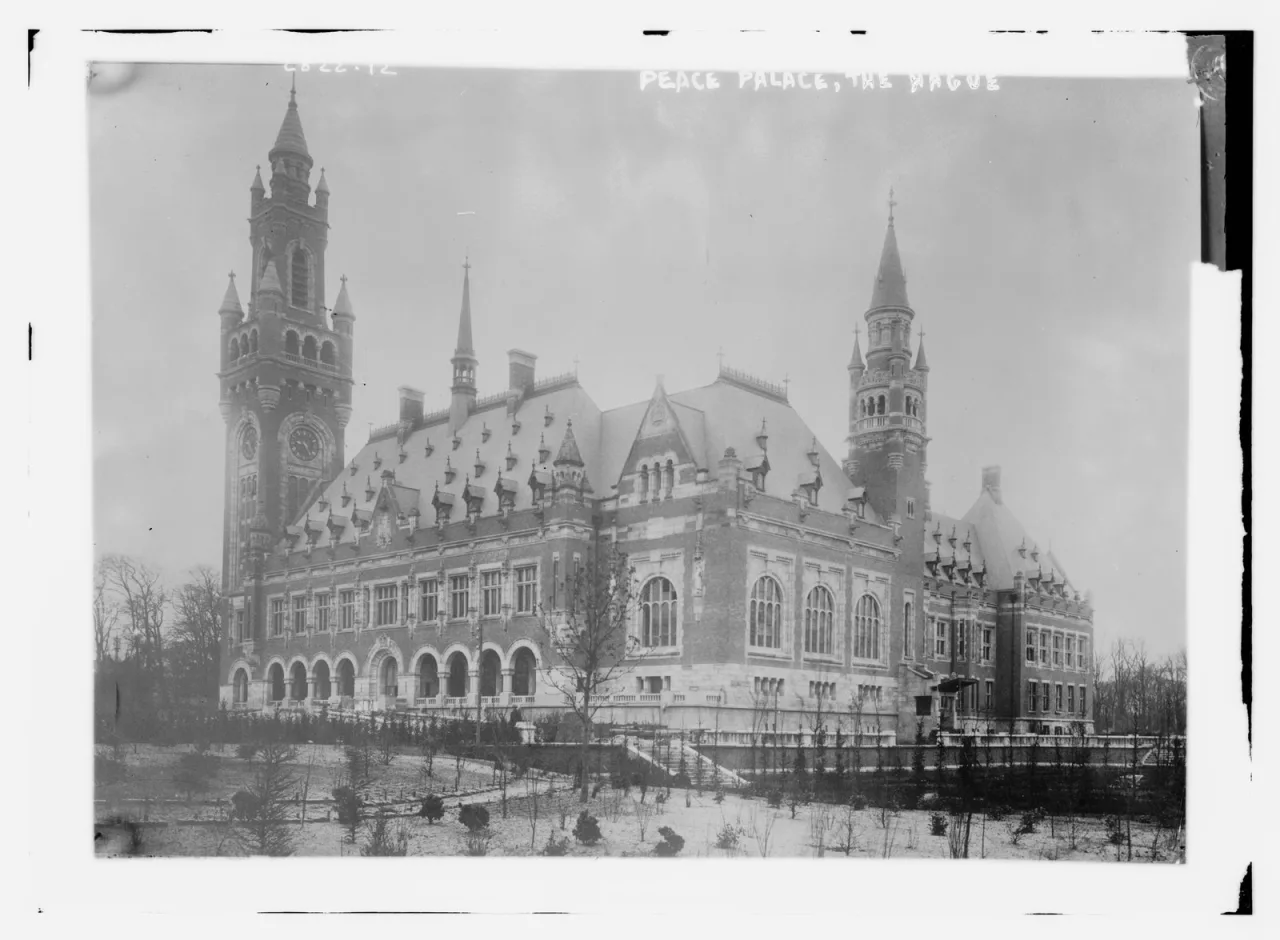
President Yuji Iwasawa, delivering the judgment, said Myanmar had also failed to prevent and punish genocide. The court held that Myanmar’s security forces and other state organs committed acts prohibited by the Convention, including killing members of the group, causing serious bodily or mental harm, and imposing measures intended to prevent births.
UN News placed the ruling in contrast with earlier genocide cases at the same court. In Bosnia and Herzegovina v. Serbia and Montenegro, decided in 2007, the court did not find that Serbia itself had committed genocide, though it found Serbia had failed to prevent the 1995 Srebrenica genocide and to punish perpetrators. In Croatia v. Serbia, decided in 2015, it dismissed both the claim and the counterclaim. The Myanmar judgment is the first time the court has held a state responsible for committing the crime.
UN Secretary-General António Guterres called the judgment a “powerful recognition of the Rohingya victims of genocide” and said it would be studied carefully within the United Nations. He added that international law, including the Genocide Convention, must be respected by all.
The 2017 operations the court examined
The findings focus on military “clearance operations” in northern Rakhine State in 2017. UN News said the court recorded that some 700,000 Rohingya fled to Bangladesh, that an estimated 10,000 were killed — a figure the court cited with supporting evidence — and that nearly 400 villages, about 40 percent of those in the three northern townships, were partly or totally destroyed.
| Item | What the court and UN reporting recorded |
|---|---|
| Date of judgment | 19 November 2026 |
| Finding | Myanmar responsible for genocide against the Rohingya; first such ICJ ruling against a state |
| Displacement | Some 700,000 fled northern Rakhine to Bangladesh |
| Deaths cited by the court | An estimated 10,000 killed during the clearance operations |
What the court ordered
The court ordered Myanmar to stop ongoing violations, to investigate and, where warranted, prosecute those suspected of acts contrary to the Convention, and to allow the safe, voluntary, and dignified return of displaced Rohingya. Compensation will be decided in a later phase; Myanmar was told to report within two years on restitution measures and on the amount and form of compensation. UN News noted that the judgment is final, binding on the parties, and without appeal. The court has no police force of its own to carry the orders out.